

One of nature’s most breathtaking wonders is the beautiful blue birds. Their songs are as equally captivating as their feathers, which glitter like pieces of the sky. Here’s a fun fact, though: those feathers aren’t truly blue! Because of the peculiar structure of their feathers, it’s all a deft use of light. Nature is a master at entertaining.
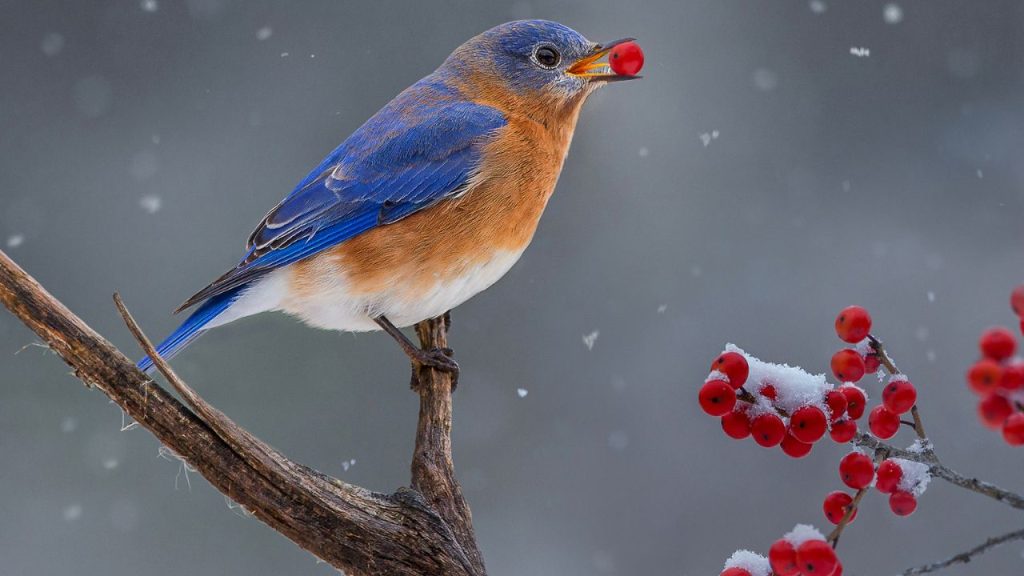
1. Eastern Bluebird
Habitat and Distribution
Eastern Bluebirds are found throughout North America, but they prefer to nest in tree cavities and man-made boxes in open woodlands, fields, and orchards.
Physical Appearance
Males display a rusty red breast along with a brilliant royal blue head and back. Women are equally elegant but more subdued.
Behavior and Diet
They have a soft, warbling song and eat berries and insects. They are amiable birds that frequently use the same nesting boxes year after year.
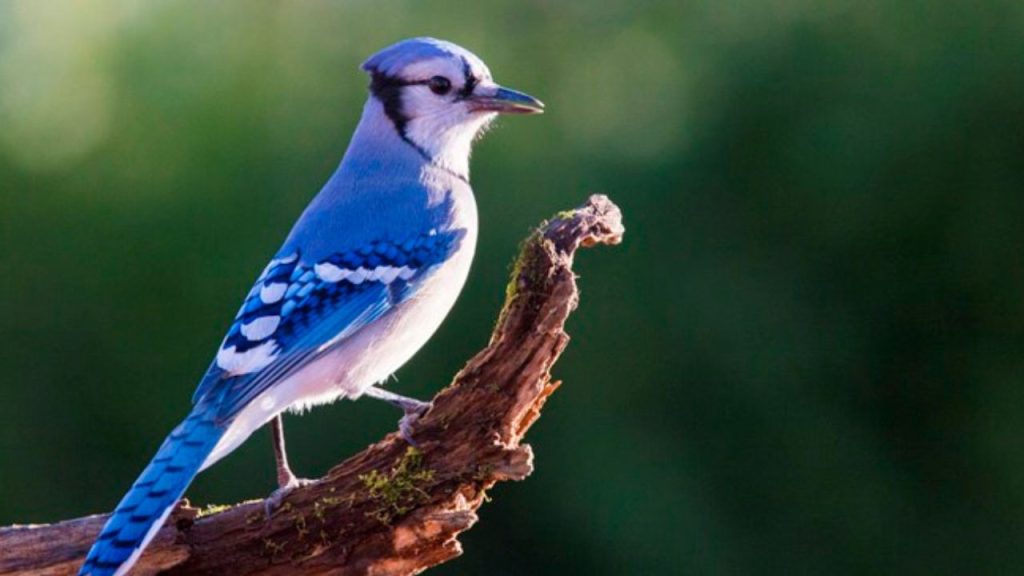
2. Blue Jay
Intelligence and Mimicry
These ostentatious birds are not only intelligent but also have attractive faces. Blue jays can mimic human voices and even hawk calls.
Natural Habitat
They are widespread in the eastern and central United States and do well in suburban and forest settings.
Social Nature
They are renowned for their boisterous, outspoken personalities and enjoy being in groups. A Blue Jay is most likely nearby if you hear a lot of chatter in the trees.
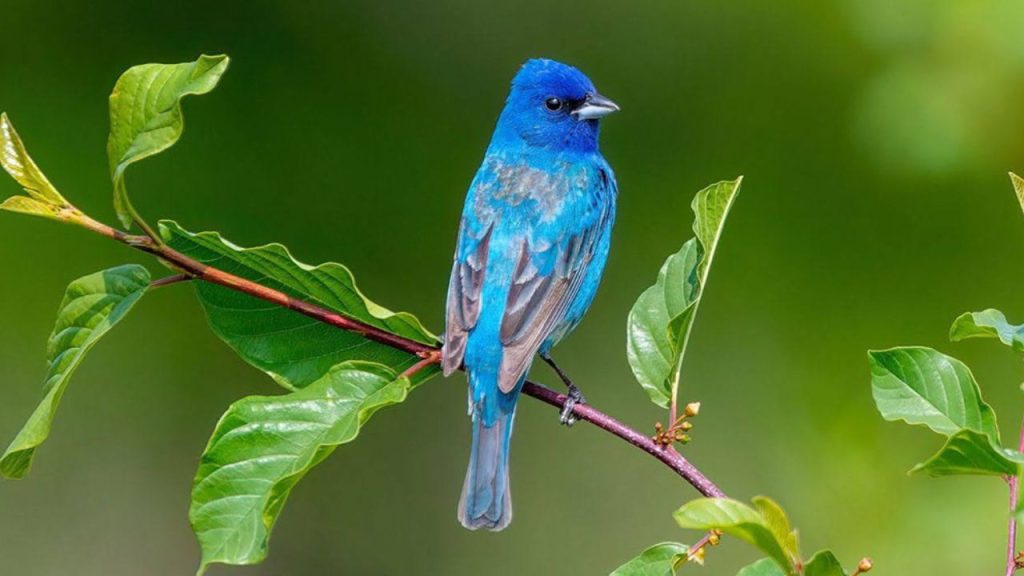
3. Indigo Bunting
Radiant Bird of Summer
During the summer, these tiny birds turn electric blue and brighten up fields and edges of forests across eastern North America.
Singing Talents
During the breeding season, the male sings nonstop to mark territory and entice mates.
Breeding and Migration
For a small bird, their winter migration to Central America and the Caribbean is quite remarkable!
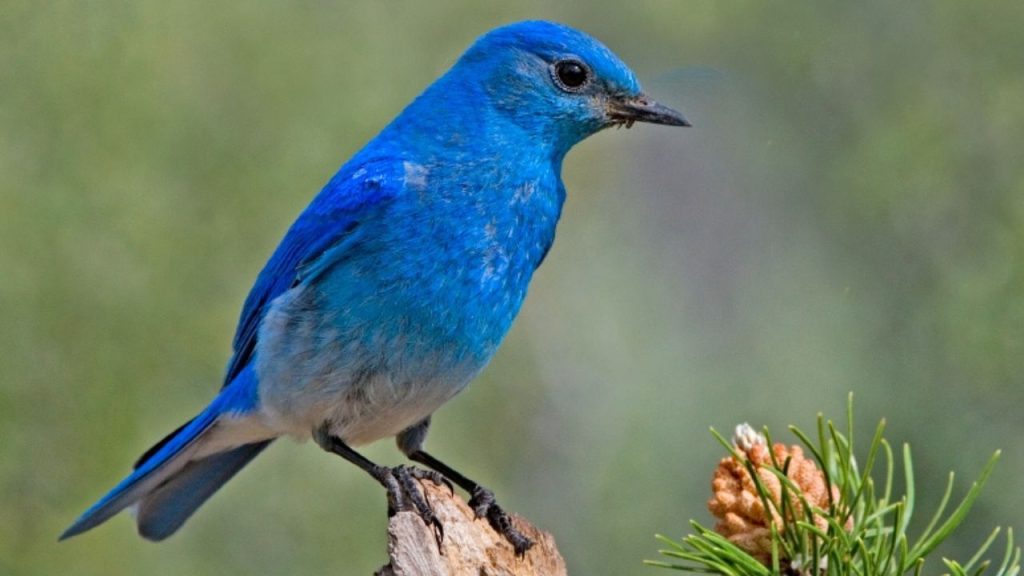
4. Mountain Bluebird
A Western Sky Jewel
Mountain Bluebirds, which are almost glowing blue from head to tail, are incredibly beautiful birds that inhabit the open spaces of the western United States and Canada.
Nesting Habits
They frequently use old woodpecker holes to build their nests in nest boxes or natural cavities.
Seasonal Movements
They spend the winter in the south, but occasionally they can be seen in open fields
5. Blue Grosbeak
Chunky but Charming
The chestnut wing bars on this deep-blue bird give it the appearance of an oversized Indigo Bunting.
Their Secretive Side
They stay hidden and favor brushy areas because they are generally shy.
Diet and Singing Skills
Males sing a lovely warbling song from the tops of shrubs, and they eat seeds and insects.
6. Tree Swallow
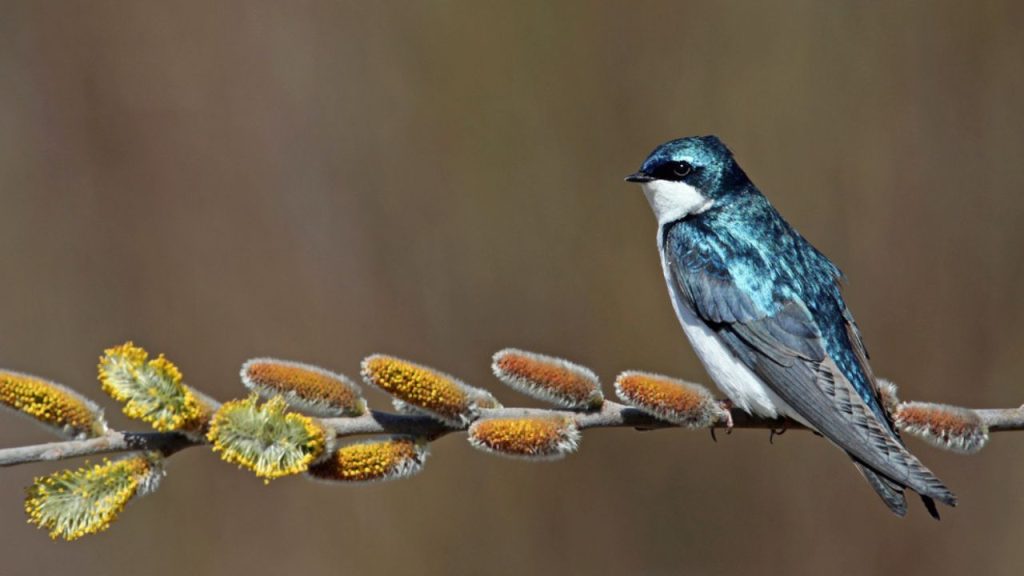
Glossy Blue Flight Artist
These blue-and-white iridescent acrobatic fliers are frequently spotted soaring over fields and ponds.
Role in Ecosystems
Tree swallows help control bug populations by consuming large amounts of flying insects.
Communal Living
They love artificial nest boxes, nest in colonies, and frequently return to the same locations year after year.
7. California Scrub-Jay
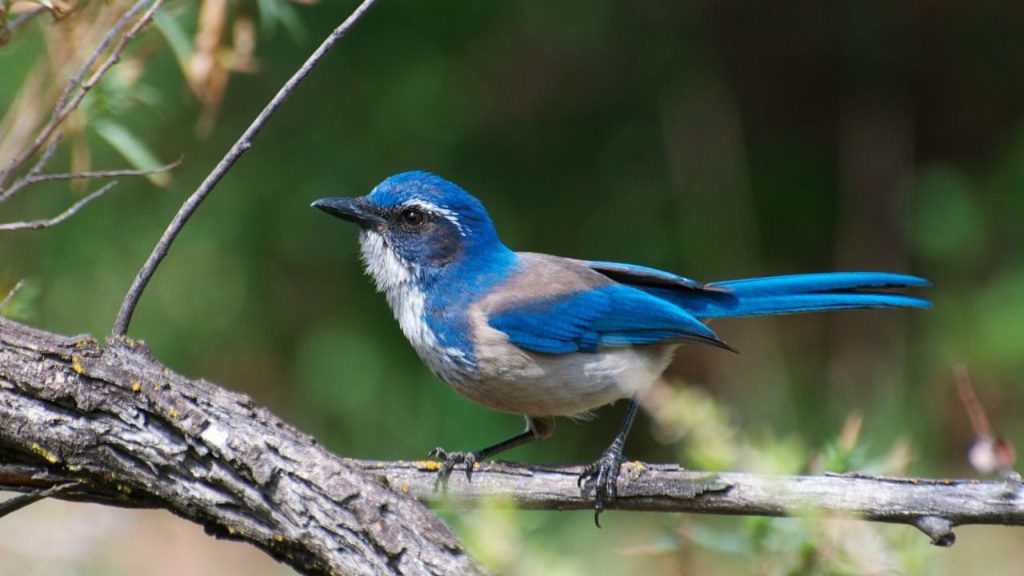
Bright Blue With Attitude
The West Coast is home to this sassy bird, which is well-known for its aggressive behavior and harsh, scratchy calls.
Food-Stashing Behavior
They are shrewd enough to conceal food and even recall its location.
Habitat Adaptability
They flourish in a variety of settings, including suburban gardens and oak woodlands.
8. Cerulean Warbler
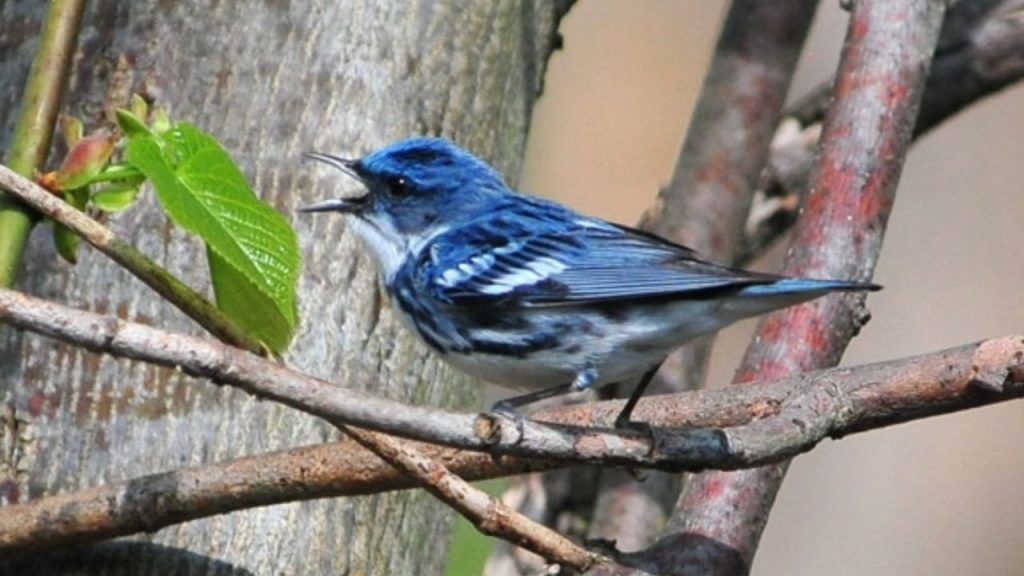
A Songbird Rarity
These sky-blue warblers are small, fast, and often stay high in the treetops—making them tricky to spot.
Deforestation Concerns
Sadly, habitat loss in both their breeding and wintering grounds is causing them to decline.
Unique Plumage
Females are softly turquoise, while males are dreamy cerulean with black streaks.
9. Purple Martin (Male)
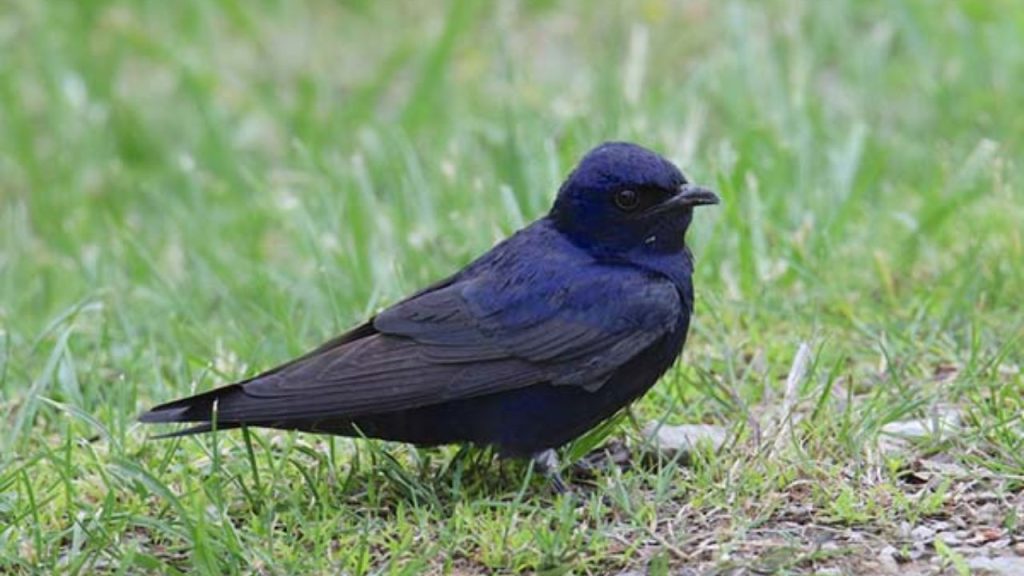
Sometimes Blue, Always Bold
Male Purple Martins appear glossy blue-black in sunlight, despite their name.
Aerial Acrobatics
With amazing agility, they dart and dive for insects, demonstrating their mastery of the sky.
Housing Colonies
They form big, noisy colonies and are largely dependent on man-made nest houses in much of their range.
10. Hyacinth Macaw

The Largest Flying Parrot
This majestic bird from South America sports deep cobalt feathers and bright yellow eye rings and skin patches.
Exotic and Endangered
They are currently endangered in the wild as a result of habitat destruction and the illicit pet trade.
Personality and Care in Captivity
They are definitely not your typical pet—they are loving, smart, and require a lot of care and stimulation!
Conclusion
The rare, exquisite, and profoundly symbolic blue birds are nature’s flying jewels. All ten of these beautiful blue birds have something special to offer, from the playful Blue Jay to the majestic Hyacinth Macaw. We can guarantee that future generations will experience the same sense of awe by valuing and preserving them.
FAQs
Why Do Birds Look Blue?
Blue pigment is absent from blue feathers. Rather, the feathers appear blue because of microscopic structures that scatter light.
Are Beautiful blue birds an Uncommon Sight?
Blue Jays are common in their range, while others, like the Cerulean Warbler, are extremely rare.
Can I get Beautiful Blue Birds to Visit By Backyard?
Yes! Native plants, feeders, and nesting boxes can all help attract them.
Which Beautiful Blue Birds are Easiest for Novices to Identify?
Blue Jays and Eastern Bluebirds are excellent beginning species because they are gregarious, luminous, and reasonably easy to locate.
Which Blue Birds are Endangered?
There are significant threats to both the Cerulean Warbler and the Hyacinth Macaw in the wild.